

Snorkeling with turtles in Akumal: the complete guide to swimming with them without disturbing them
Why turtles come to Akumal bay every day, how the bay is protected, what the snorkel is like step by step, what else you see underwater, the best season and time to go and what to bring.
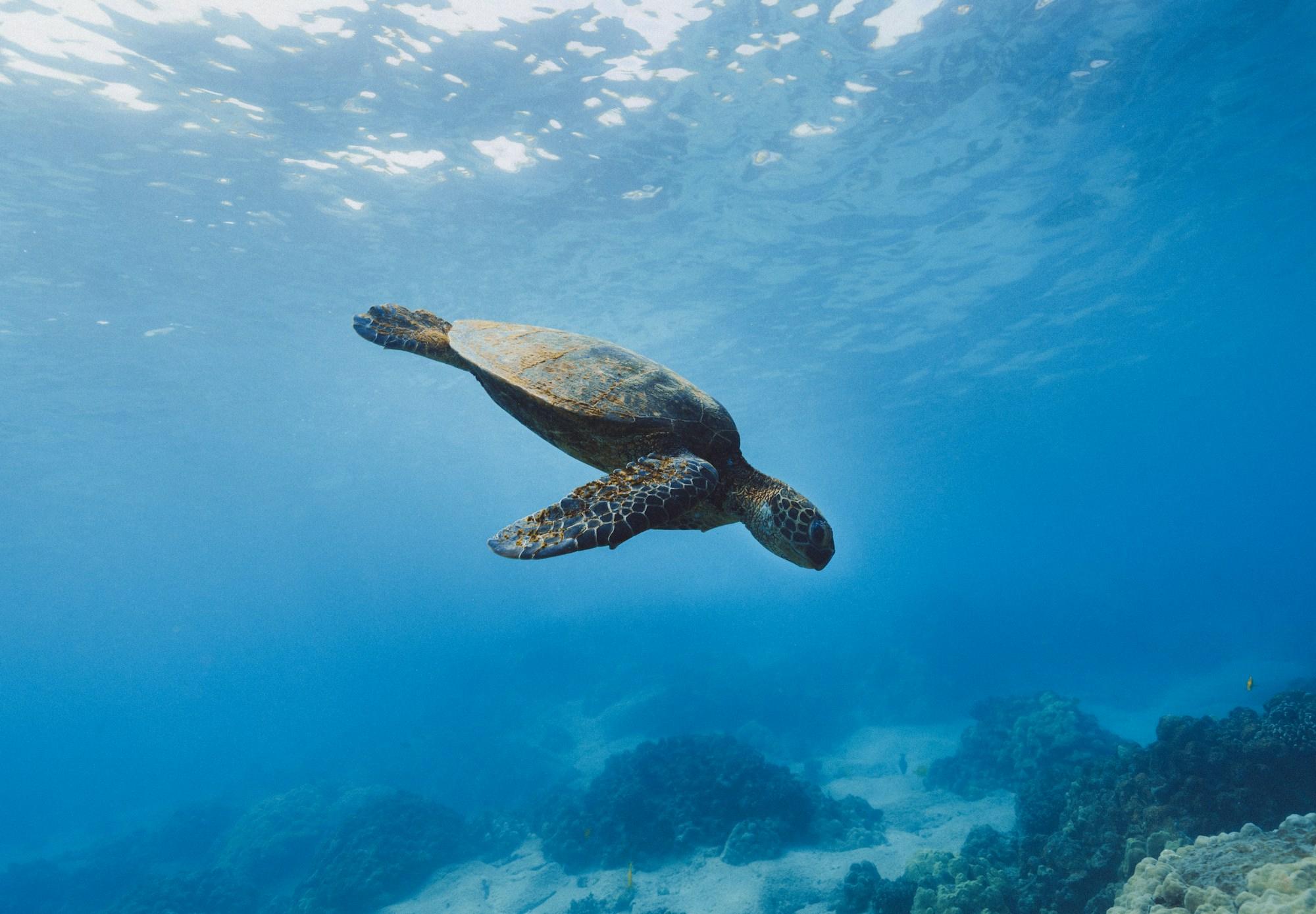
In Maya, Akumal means something close to "place of turtles", and there is nothing exaggerated about the name. In this small, calm bay halfway between Playa del Carmen and Tulum, sea turtles come every day to feed just a few meters from the shore. There is no need to board a boat, dive with a tank or swim far out: with a mask, a life vest and a little patience, you can watch them graze over the sandy bottom, rise slowly to breathe and sink back down. Few experiences in the Riviera Maya are this simple and, at the same time, this memorable. That is exactly why few depend so much on how they are done. This guide explains why the turtles choose Akumal, how the bay is protected, what to expect from the snorkel step by step, what else you see underwater, when to go and what to bring so the day goes well for you and for them.
Akumal, from coconut plantation to divers’ village
Long before the Riviera Maya had hotels, Akumal was a coconut plantation facing an almost deserted bay. The Quintana Roo coast was then one of the most isolated regions of Mexico: there was no highway, and the most practical way to arrive was by sea. That isolation changed in the late 1950s, when a group of Mexican divers from CEDAM, the Mexican Underwater Explorers Club, led by Pablo Bush Romero, came to explore the remains of an eighteenth-century Spanish galleon wrecked off this coast. The divers fell in love with the place, and Akumal became one of the first recreational diving spots in the Mexican Caribbean.
Over the years the federal highway arrived, the tourist corridor between Cancún and Tulum grew, and Akumal went from being a divers’ secret to a must-stop for anyone wanting to see turtles. Even so, the village keeps a small scale. There are no wide avenues or tall buildings on the beach, just houses, a few low-rise hotels, dive shops and an ecological center devoted to research and environmental education. That scale is part of its charm: you can walk the bay in a few minutes and the noise of the highway feels far away.
Why the turtles choose this bay
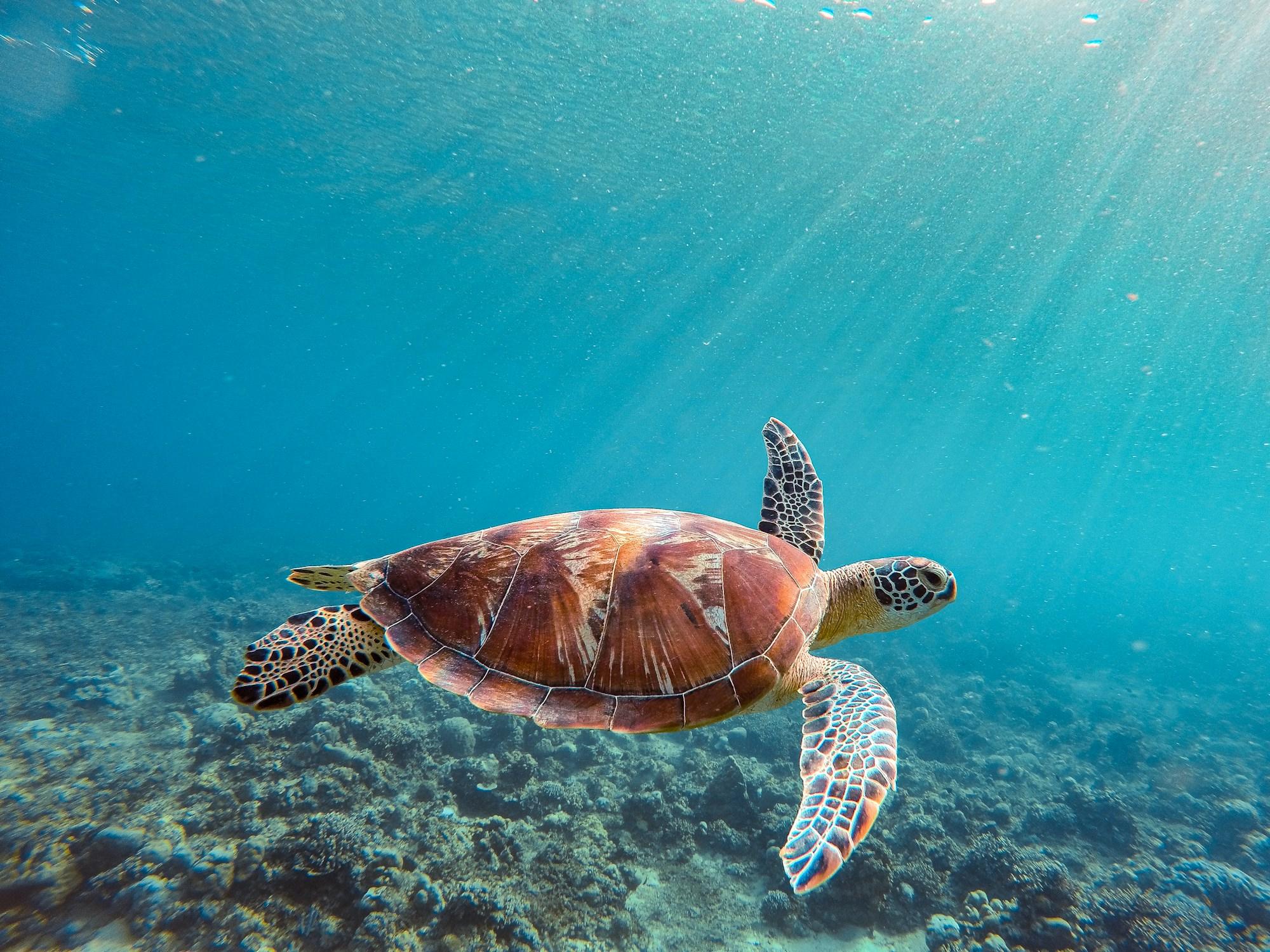
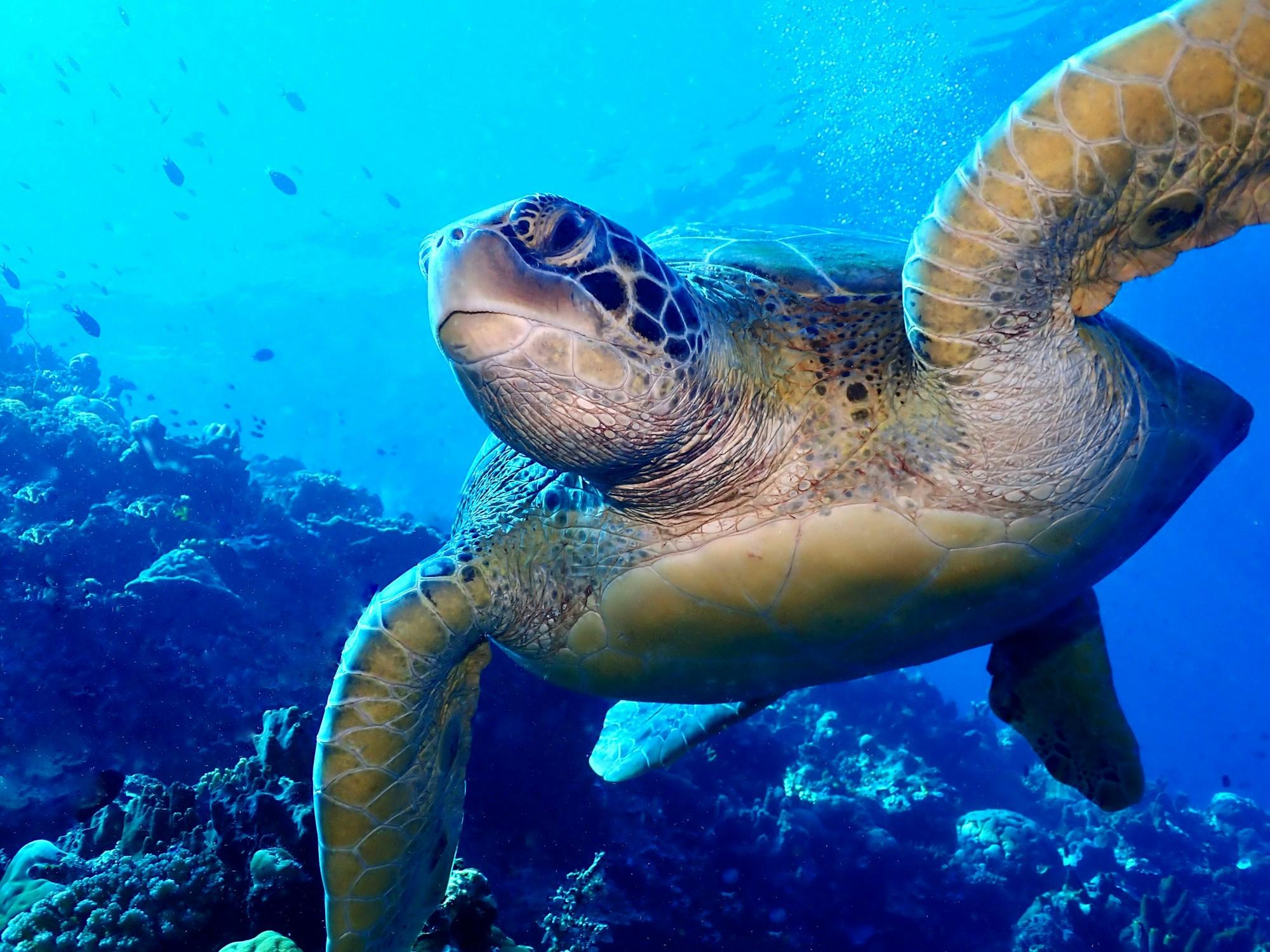
The reason is simple: food and shelter. The floor of Akumal bay is covered in seagrass, meadows of rooted plants that grow on sand in shallow water. The green turtle, the species you see most here, feeds almost exclusively on that seagrass as an adult. Unlike other turtles, which eat jellyfish, sponges or crustaceans, the green turtle is practically herbivorous, and its name comes not from the color of its shell but from its greenish body fat, tinted by that diet. A bay with wide meadows sheltered from the waves is, for it, the perfect dining room.
The reef across the mouth of the bay breaks the waves before they reach the shore, so the water inside is usually calm and clear. That lets the seagrass grow, lets the turtles feed without spending much energy, and lets us watch them while floating effortlessly. While feeding, turtles hold their breath for several minutes and then rise to the surface for air, unhurried, before going back to the bottom. That slow rhythm is exactly what makes it possible to see them up close without chasing them.
Many of the turtles you see in the bay are juveniles and subadults that spend long periods in the area. Adult females, on the other hand, come ashore to nest on Quintana Roo’s beaches in summer, mostly between May and October, and the hatchlings emerge some weeks later. If you visit Akumal then, you may see areas of the beach marked off to protect nests. They should not be stepped on or lit at night: artificial light disorients the hatchlings, which follow the reflection of the sea to reach the water.
How the bay is protected and why it matters
Akumal’s success nearly worked against it. For years, hundreds of people entered the water at once, without vests, without guides and without clear rules. Many stood on the seagrass to rest, others chased the turtles for photos or tried to touch them. The seagrass was damaged, the sand was churned up and the turtles spent more time dodging swimmers than eating. Researchers and local residents documented the problem and pushed for something to be done.
In 2016 the bay was declared a refuge area for the protection of sea turtles, and since then snorkeling has run under rules. There are buoyed zones where swimming is allowed, the life vest is mandatory, the number of people in the water is controlled and entering with a certified guide is recommended. Some areas are reserved for the turtles alone. At first some saw it as a limitation, but the result is a calmer bay, with seagrass that is recovering and turtles that keep coming back.
The basic rules for visitors are few and easy to follow. Do not touch the turtles, even if they come close on their own. Do not chase them, surround them or block their way when they rise to breathe. Do not stand on the bottom, because every step tears up seagrass and stirs up sand. Do not feed them. Keep the distance the guide indicates. And use only biodegradable sunscreen, or better still a long-sleeved swim shirt, because the chemicals in many sunscreens harm coral and seagrass.
What the snorkel is like, step by step
On our tour we pick you up in Cancún, Playa del Carmen or Tulum, and once in Akumal you spend about two hours in the bay. From Playa del Carmen the ride is short, just over half an hour; from Cancún it is longer, around an hour and a half depending on traffic and pickup point. When you arrive, the snorkel guide gathers the group on the beach, hands out mask, snorkel and life vest, and makes sure each one fits properly. If your mask fogs up or lets water in, that is the moment to say so, not once you are already floating.
Before going in, the guide explains the bay’s rules and how the group will move. Then everyone enters together from the shore, walking a few meters in shallow water until you can float. Inside the bay the depth is usually two to four meters, and the sea is calm almost every day, so no previous experience is needed. The only important thing is to feel comfortable face down, breathing through the snorkel. With the vest you do not have to make any effort to stay afloat: just relax and kick your legs slowly.
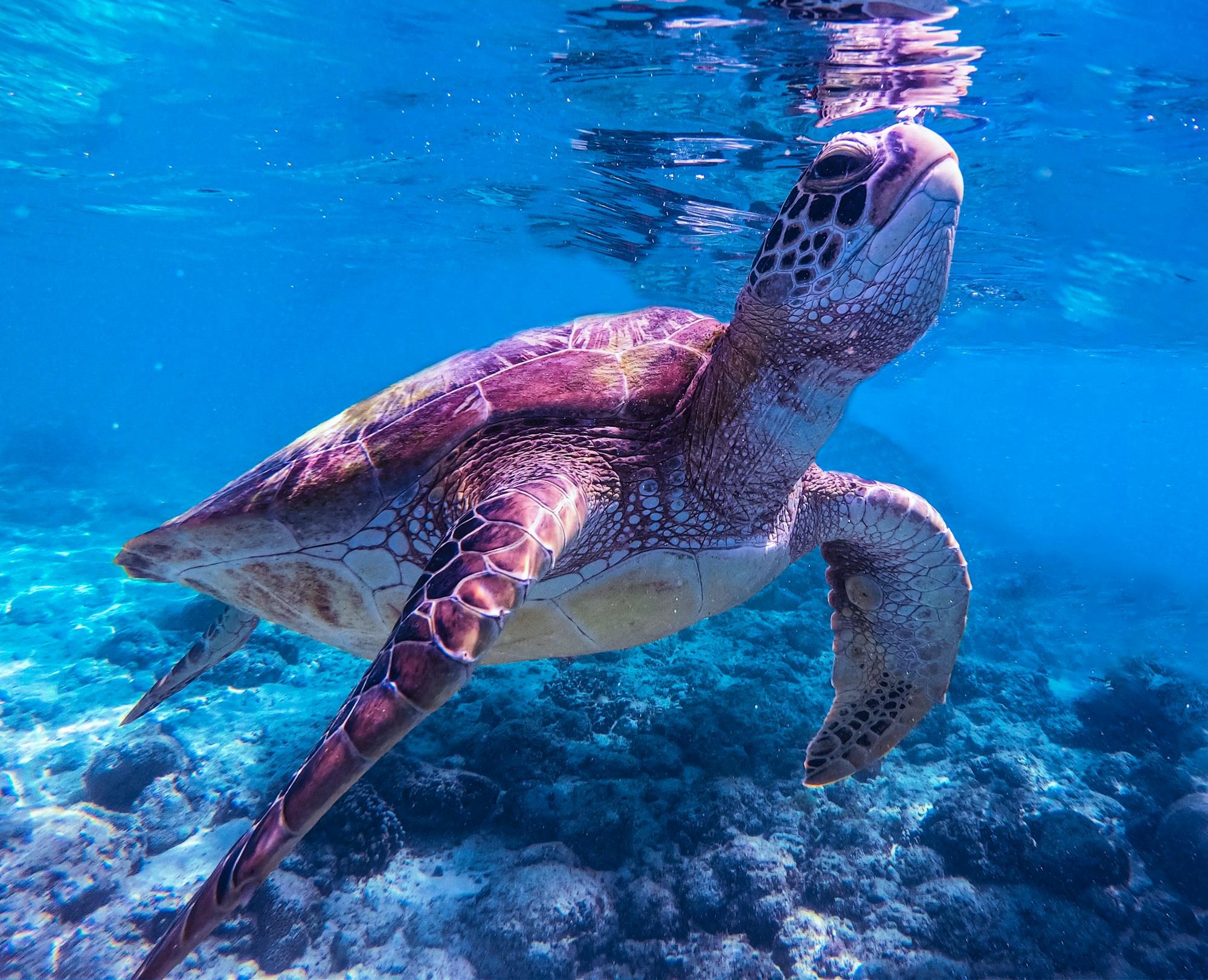
The guide knows the spots where the turtles usually are and points them out as they appear. Sometimes it is a single one, calmly feeding on the bottom; other times two or three are in sight at once. The best thing is to stay still, floating to one side, and let the turtle carry on. If it rises to breathe near you, do not move toward it: leave space for it to reach the surface and go back down. That moment, when a turtle pokes its head out a meter away, takes a breath and sinks again, is the one most people remember from the day.
Because they are wild animals, no two trips are the same. It is very rare not to see any turtles, but nobody can guarantee how many there will be or how close they will come that day. That is part of the experience: it is not an aquarium, it is their home, and they decide.
What else you see underwater
The turtles are the stars, but the bay holds more life than it seems from the shore. Near the rocks and coral patches you see sergeant majors with their black and yellow stripes, brightly colored parrotfish scraping the coral with their beaks, blue tangs swimming in groups and, often, small schools of silver fish moving all at once. Over the sand it is common to see small rays half buried, lifting off and gliding away when someone passes nearby.
With luck you may also spot a boxfish, with its rigid box-shaped body, or a young barracuda hovering motionless near the surface, impressive in shape but no danger at all. Every now and then a hawksbill turtle appears, smaller than the green turtle, with overlapping shell plates and a narrow beak it uses to eat sponges among the rocks. If the guide points something out and you do not see it right away, do not rush closer: stay still for a few seconds, fish and turtles usually reappear.
The best season and time of day to go
The turtles are in Akumal all year round, so there is no season when you cannot see them. What changes are sea conditions. Water in the Mexican Caribbean stays warm almost all year, roughly between twenty-six and twenty-nine degrees Celsius, so you do not need a wetsuit. In winter, between November and February, northerly fronts arrive now and then, bringing wind and choppy seas for a day or two. On those days the water can be cloudier and the guide decides whether it is safe to go in and where.
In some spring and summer months sargassum can reach the coast, a seaweed that floats over in large amounts from the Atlantic. It does not affect every beach equally or every day, and Akumal bay is usually more sheltered than the open coast, but it is worth knowing so you are not surprised. June to November is hurricane season; most days are sunny and hot, although afternoon showers are more likely.
As for the time of day, mornings are usually best. The wind has not yet stirred up the sea, the water is clearer and the bay has fewer people. By mid-afternoon the coastal breeze tends to pick up a little, and visibility drops when the water moves. If you can choose, an early outing almost always means better snorkeling.
Who it is for: families, children and weaker swimmers
Snorkeling with turtles in Akumal is one of the most inclusive activities in the Riviera Maya. It requires no special fitness, you do not need to dive to the bottom and the water is shallow. That is why it works so well for families, couples, groups of friends and anyone who has never snorkeled. On our tour, snorkeling is from age five, as long as children can swim, and kids under five ride free on an adult’s lap during the transfer.
If someone in the group is not a strong swimmer or gets nervous in the water, tell the guide from the start. The vest keeps anyone afloat, and the guide can stay closer, help adjust the mask or suggest that person stays in the shallowest part. Fear often disappears the moment the first turtle appears. For young children, a mask in their size makes all the difference: if the gear is too big, water gets in and the experience is spoiled quickly.
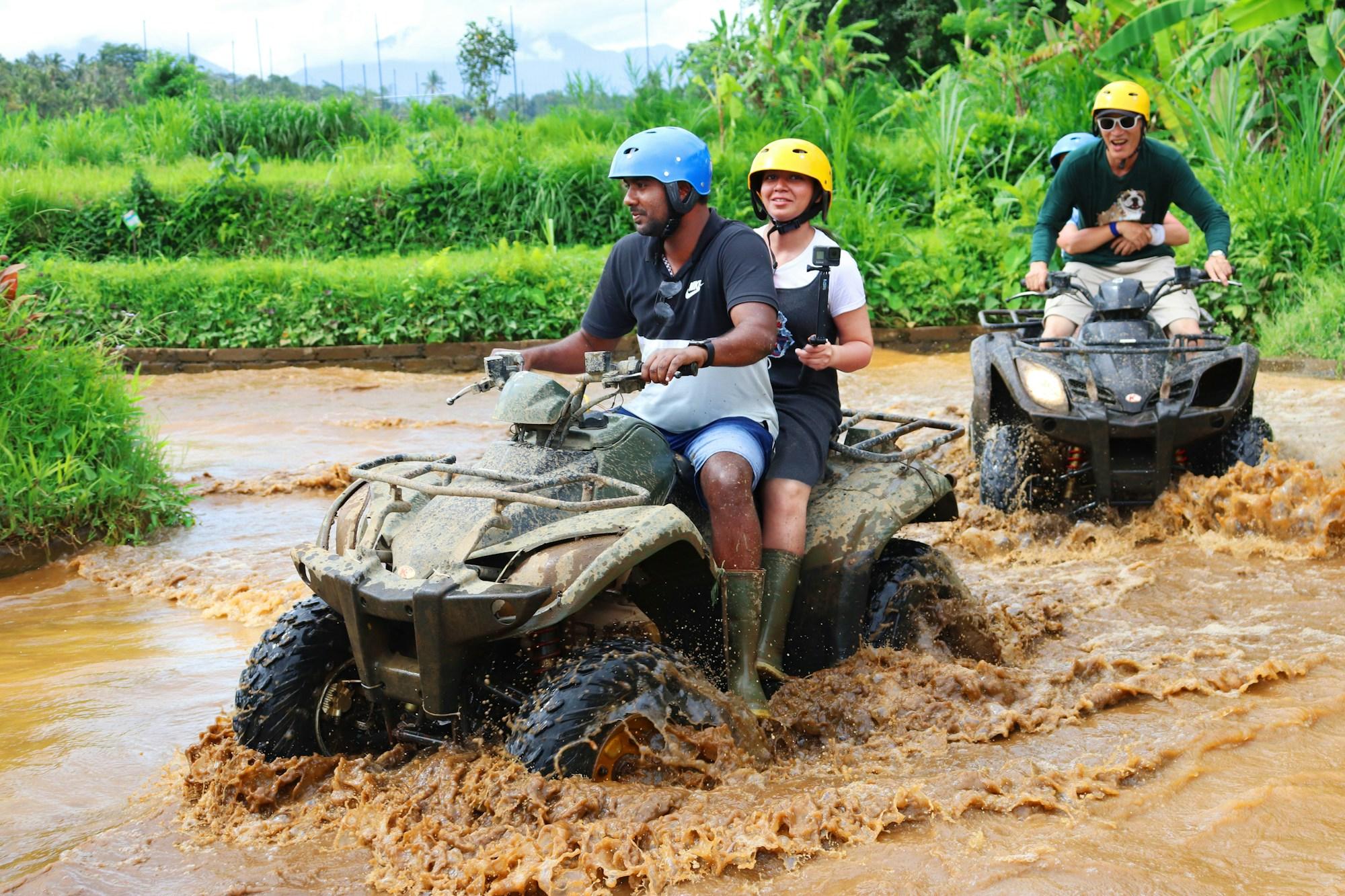
If you want to add more to the day, we have two other options that include Akumal. One combines it with a buffet lunch and a swim in Cenote Nohoch, a relaxed day of about six hours that is ideal for families. The other combines it with the Tulum archaeological site and an ATV ride to cenotes and a cave, for those who want a long, action-packed day. If you only have one free morning, the snorkel on its own is the most direct way to see turtles without giving up the whole day.
What to bring and practical tips
Wear your swimsuit from the hotel, because there is not always a comfortable place to change at the beach. Add a towel, biodegradable sunscreen, a cap, sunglasses and some cash for extras and tips. Snorkel gear, life vest, guide and a refreshing drink are already included in the tour. If you have a long-sleeved swim shirt or rash guard, wear it: it protects from the sun better than any sunscreen and leaves no chemicals in the sea.
If you want photos, a waterproof phone case or a small underwater camera is enough. Shoot without flash and from the distance the guide indicates; the best images almost always come when the turtle rises to breathe and sunlight slants into the water. Before putting on your mask, spit a little inside and rinse it in the sea: it is the oldest and most effective trick to stop it fogging up.
Have a light breakfast before leaving, drink water during the day and avoid going into the sea right after a heavy meal. If someone gets carsick, they should take their medication before the transfer. And listen to the guide: they know the bay, know where the turtles are that day, and their job is to help you see them without the turtles having to flee from you.
There is something special about watching a wild animal go about its life without caring that you are there. In Akumal there are no fences, no feeding times and no show. Just a calm bay, seagrass swaying with the current and a turtle that rises to breathe, glances at you sideways and sinks back down. If you leave it in peace, it will very likely still be there tomorrow for the next person. That, in the end, is the best reason to do it right.
Your next experience starts here
Start this adventureTours you might like
- Ocean
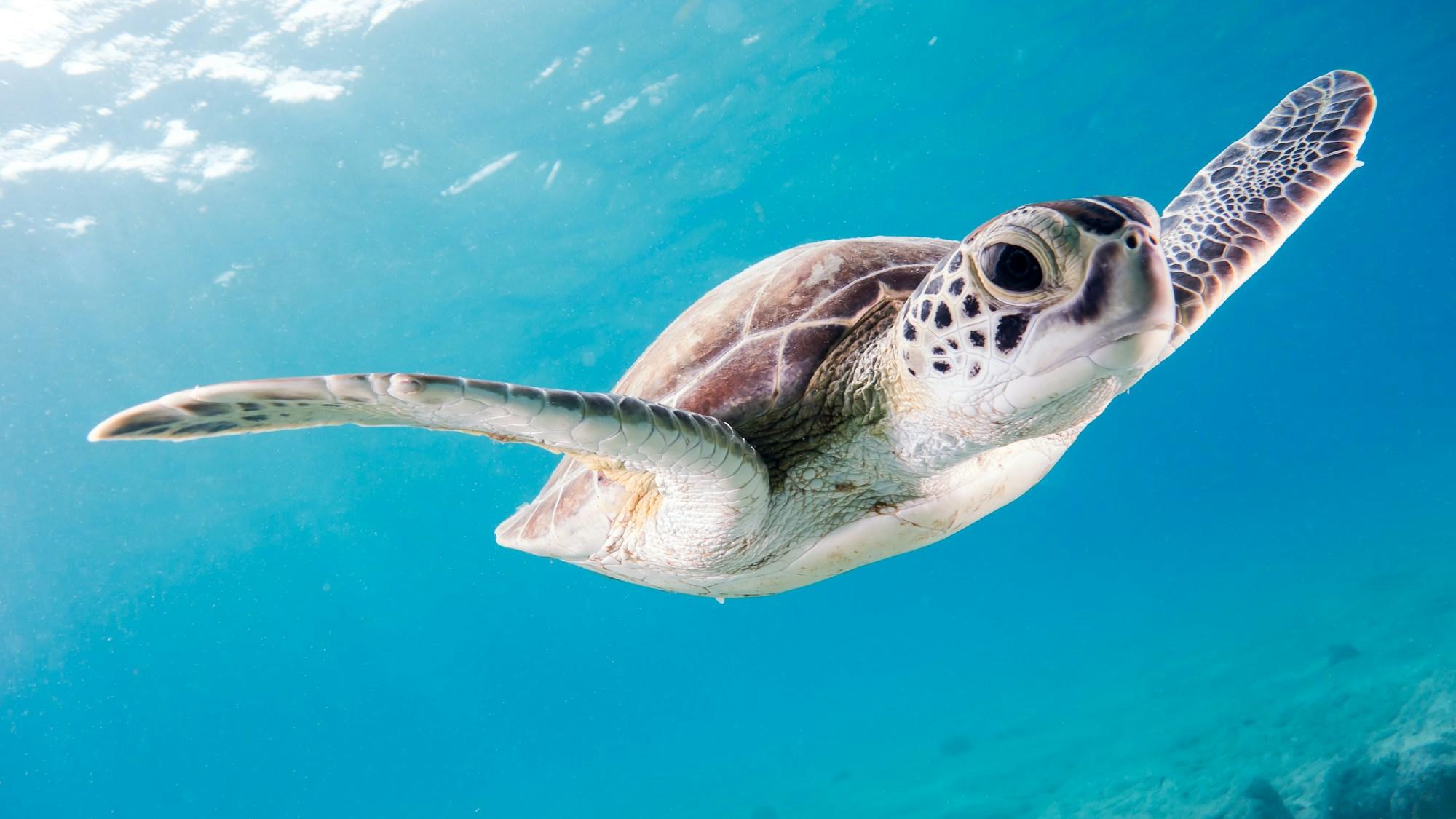
Snorkel with Sea Turtles in Akumal
- Archaeology
Chichén Itzá Plus: Suytún & Ik Kil Cenotes and Valladolid
- Ocean
Isla Mujeres Plus: Catamaran with Open Bar, Snorkeling & Playa Norte
- Archaeology
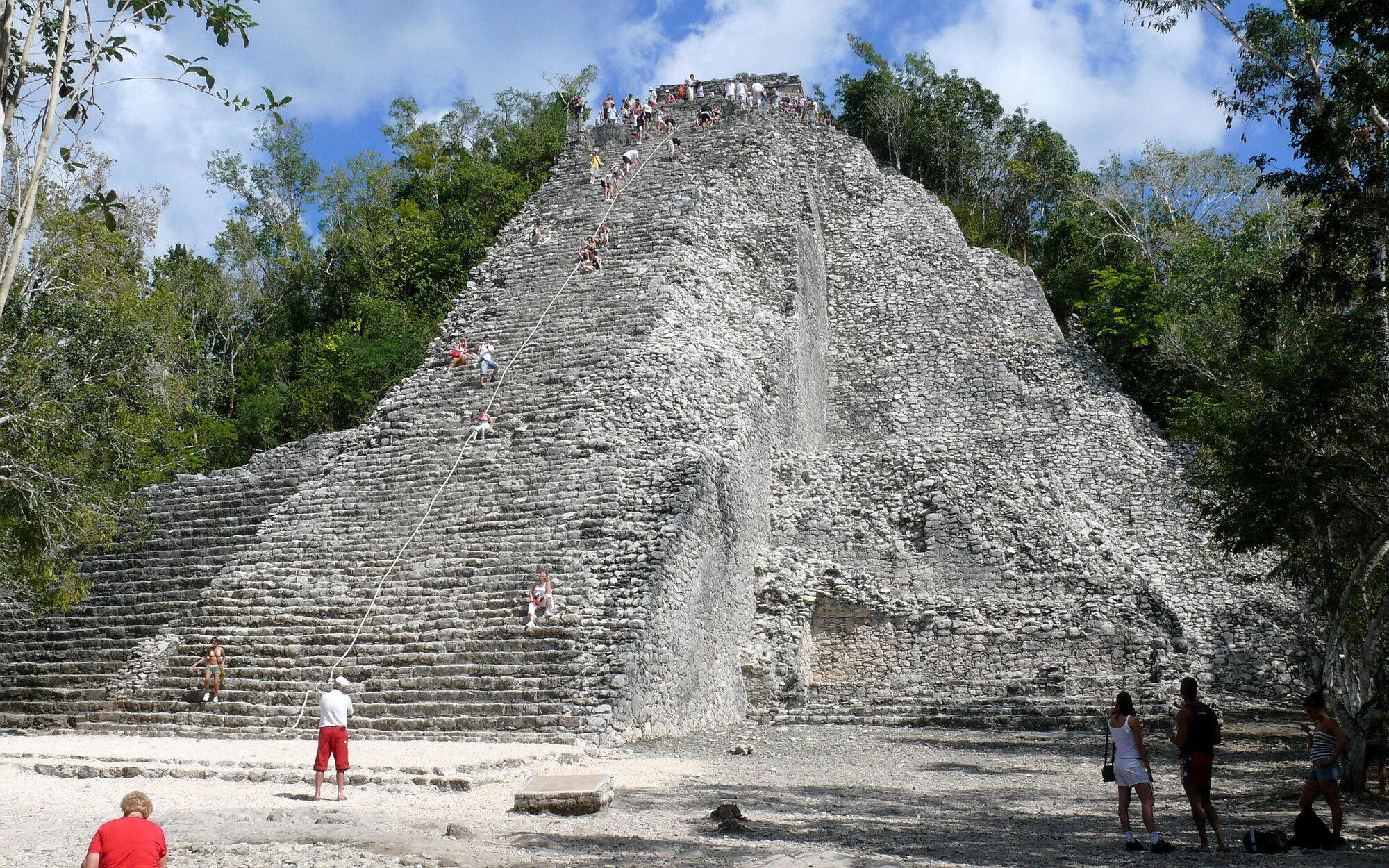
Tulum and Cobá 4-in-1: Ruins, Cenote and 5th Avenue
- Archaeology
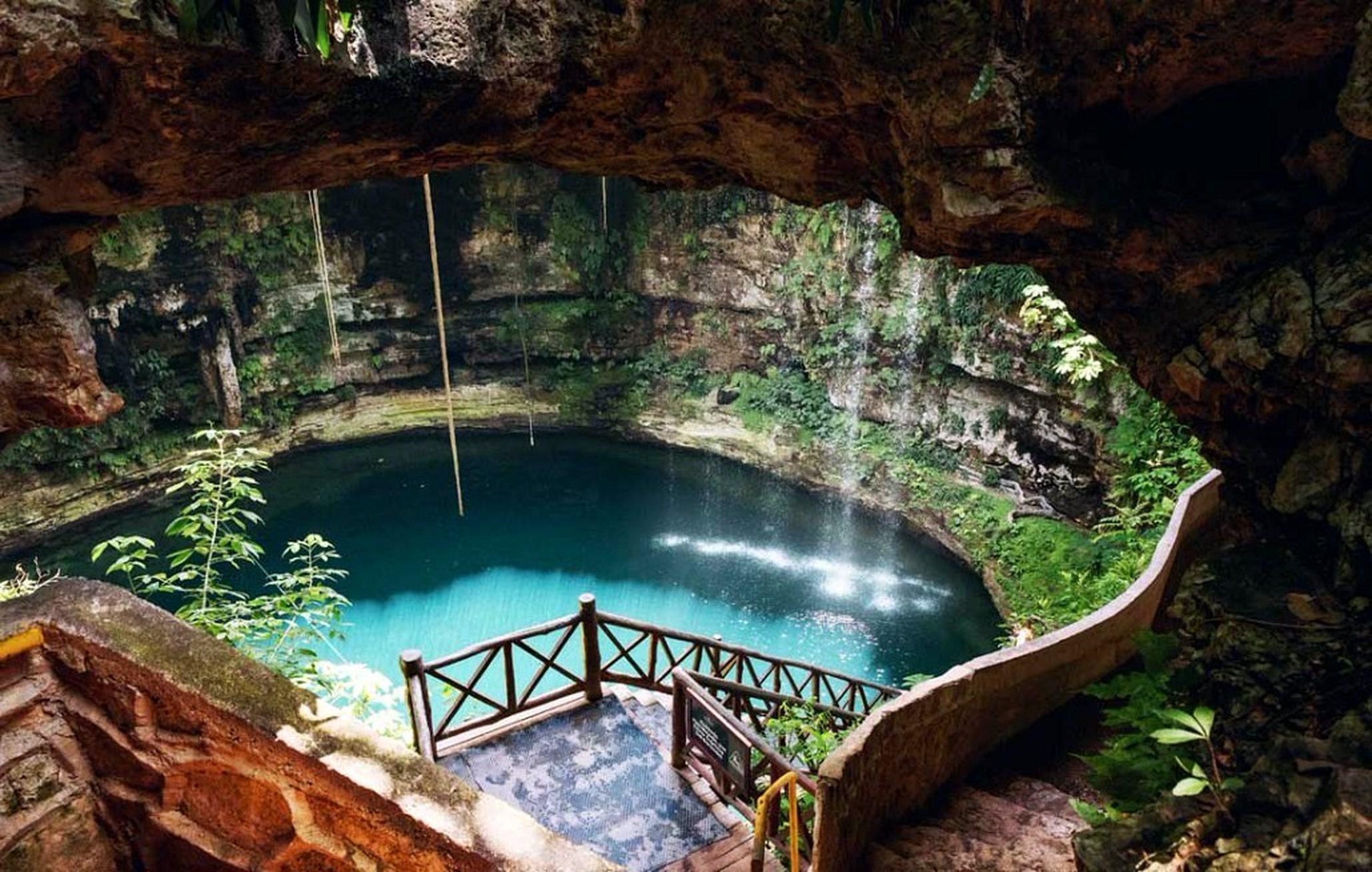
Chichén Itzá Classic: Saamal Cenote and Valladolid
- Adventure
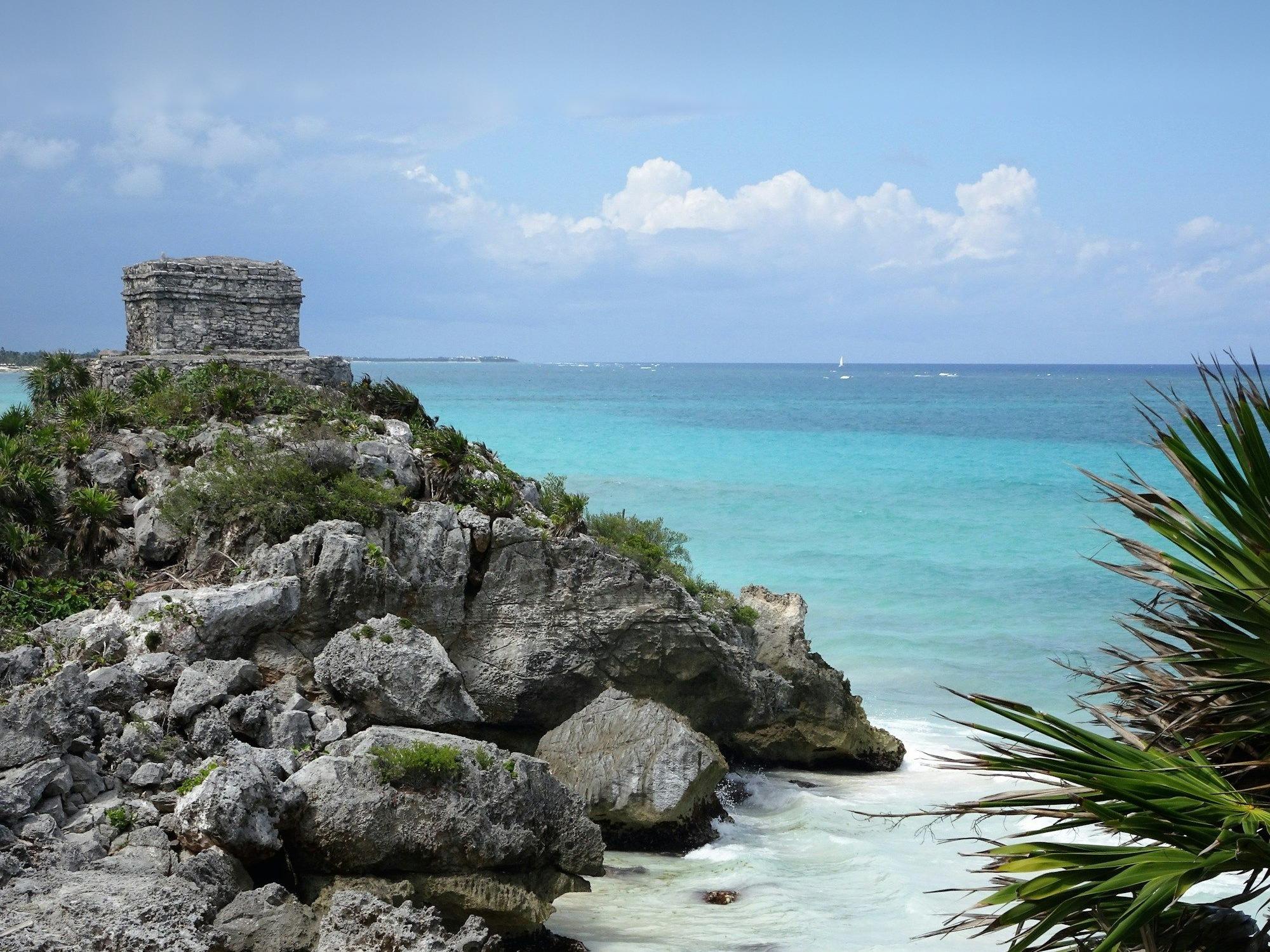
Tulum, Akumal Turtles & ATVs at Casa Jaguar
Places in this story
Keep reading
 guides
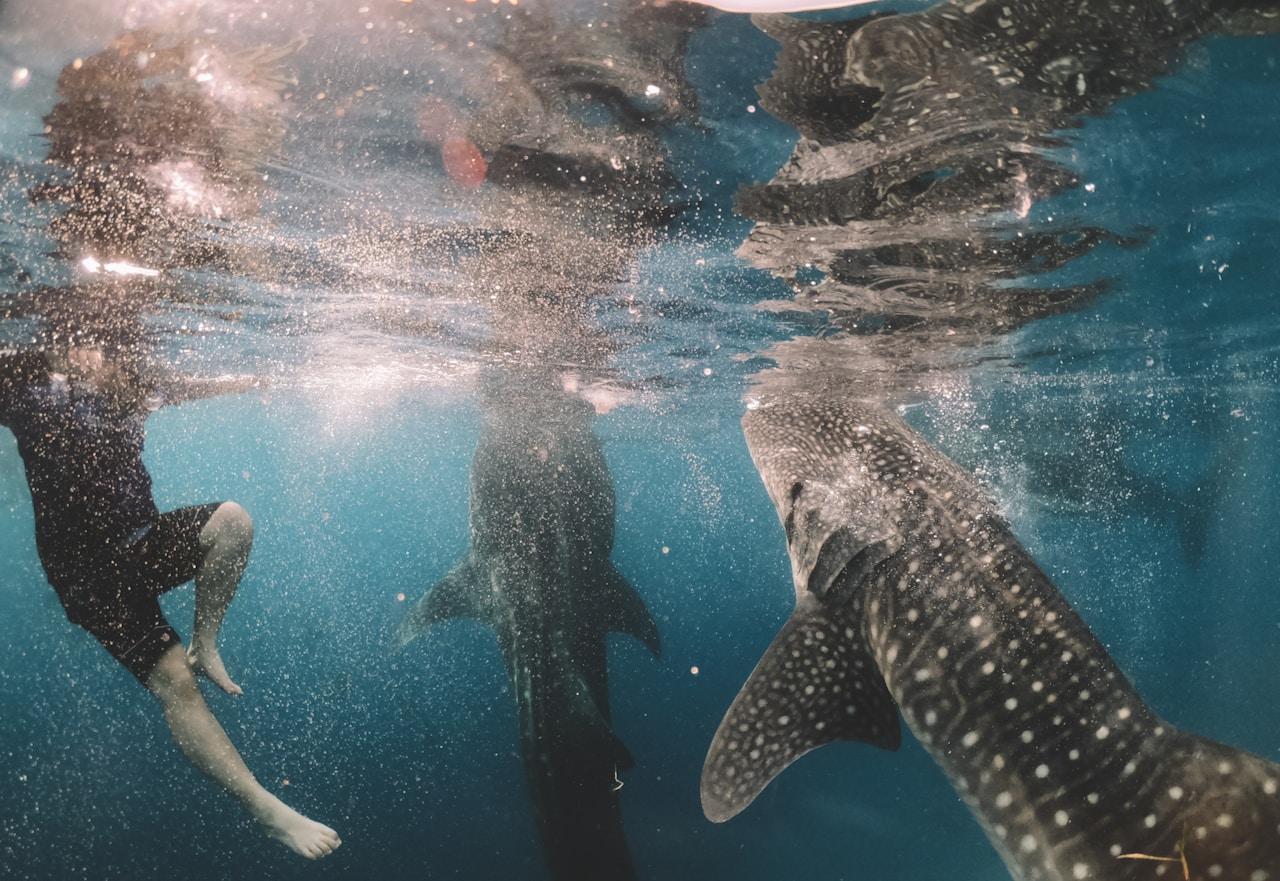
Swimming with whale sharks in Cancún: the complete guide
When to go, what to bring and what it’s really like to swim beside the world’s largest fish in the Mexican Caribbean.
 guides
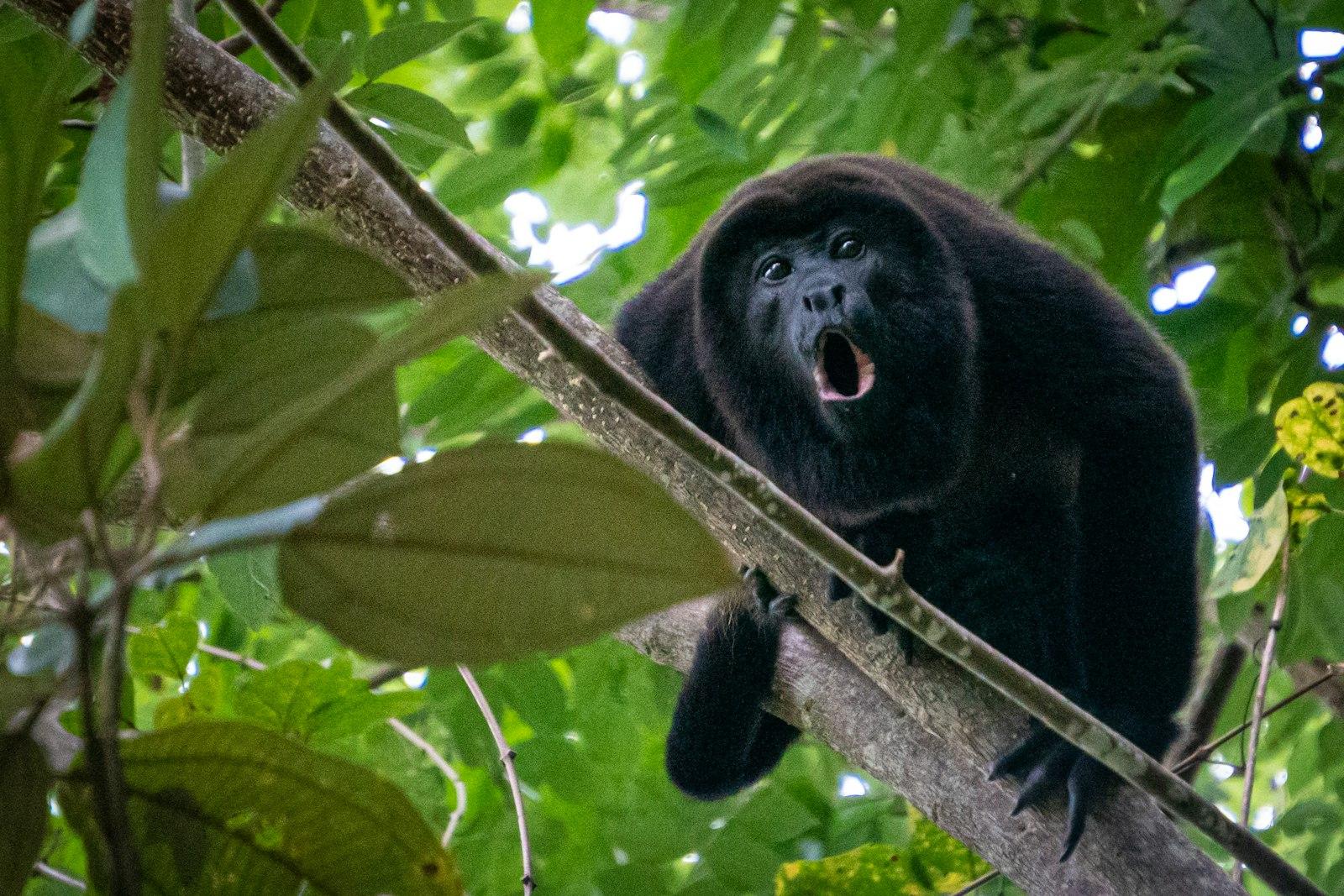
The Akumal monkeys don't perform. They recover.
The Akumal Monkey Sanctuary is one of the most reviewed tours on the Riviera Maya, and one of the few built around confiscated and injured wildlife rather than performance. Here is what a visit actually involves, and how to tell a real rescue center from a good marketing story.
 guides
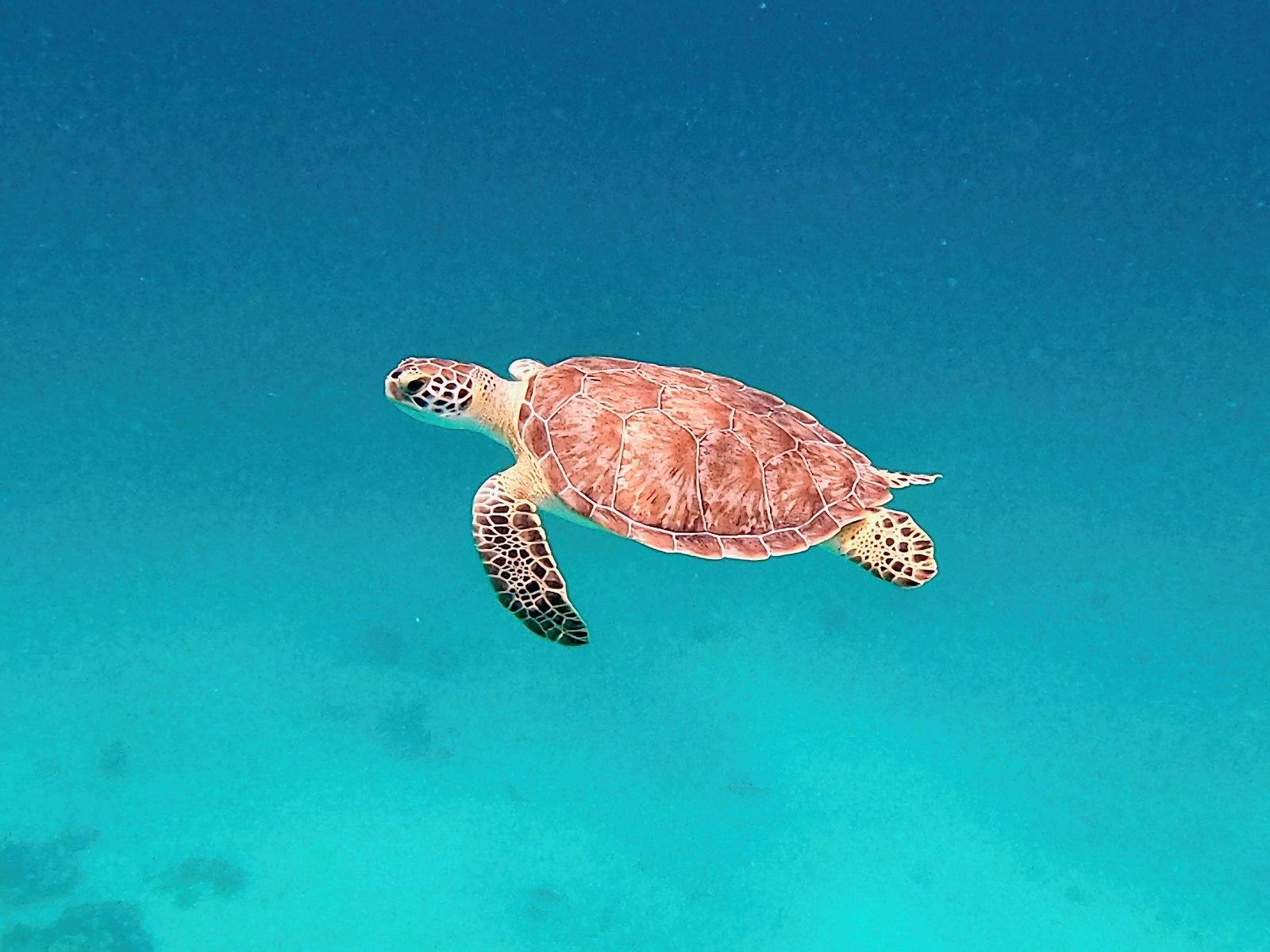
Snorkeling with Turtles in Cozumel: The Complete Guide to Swimming with Sea Turtles
Snorkeling with turtles in Cozumel means entering a marine park protected since 1996, set within the world's second largest barrier reef, where green turtles, loggerheads and hawksbills feed in plain sight of anyone who knows where to look. This guide covers when to go, how the tour actually works and what makes Cozumel different.
Plan your trip
 4 days
The Riviera Maya with Kids: A 4-Day Family Itinerary
A 4-day Riviera Maya itinerary built for families: one gentle outing a day, no early alarms, plenty of beach and pool time, anchored by Xcaret, Xel-Há, the Akumal turtles and an easy cenote, with Chichén Itzá left out on purpose.
Best Time to Visit the Riviera Maya: Weather, Crowds and Sargassum
When to visit the Riviera Maya, month by month: dry season versus wet, crowds and prices, an honest look at sargassum and the 2026 outlook, hurricanes, water and packing, and the best dates for whale sharks, diving and the ruins.
 3 days
Adventure and Adrenaline in the Riviera Maya: A 3-Day Guide
A 3-day adventure itinerary for the Riviera Maya: an ATV, zip line and cenote combo, Xplor or a caving reserve, and a season set third day, whale sharks in summer or Cozumel drift diving the rest of the year.