

Xoximilco: the complete guide to Cancún’s Mexican fiesta on a trajinera
Xoximilco is Xcaret’s nighttime Mexican fiesta aboard a trajinera, inspired by the historic canals of Xochimilco in Mexico City. This guide breaks down, with real details, what an entire night at Xoximilco near Cancún actually looks like, from the first shot of tequila to the closing show.
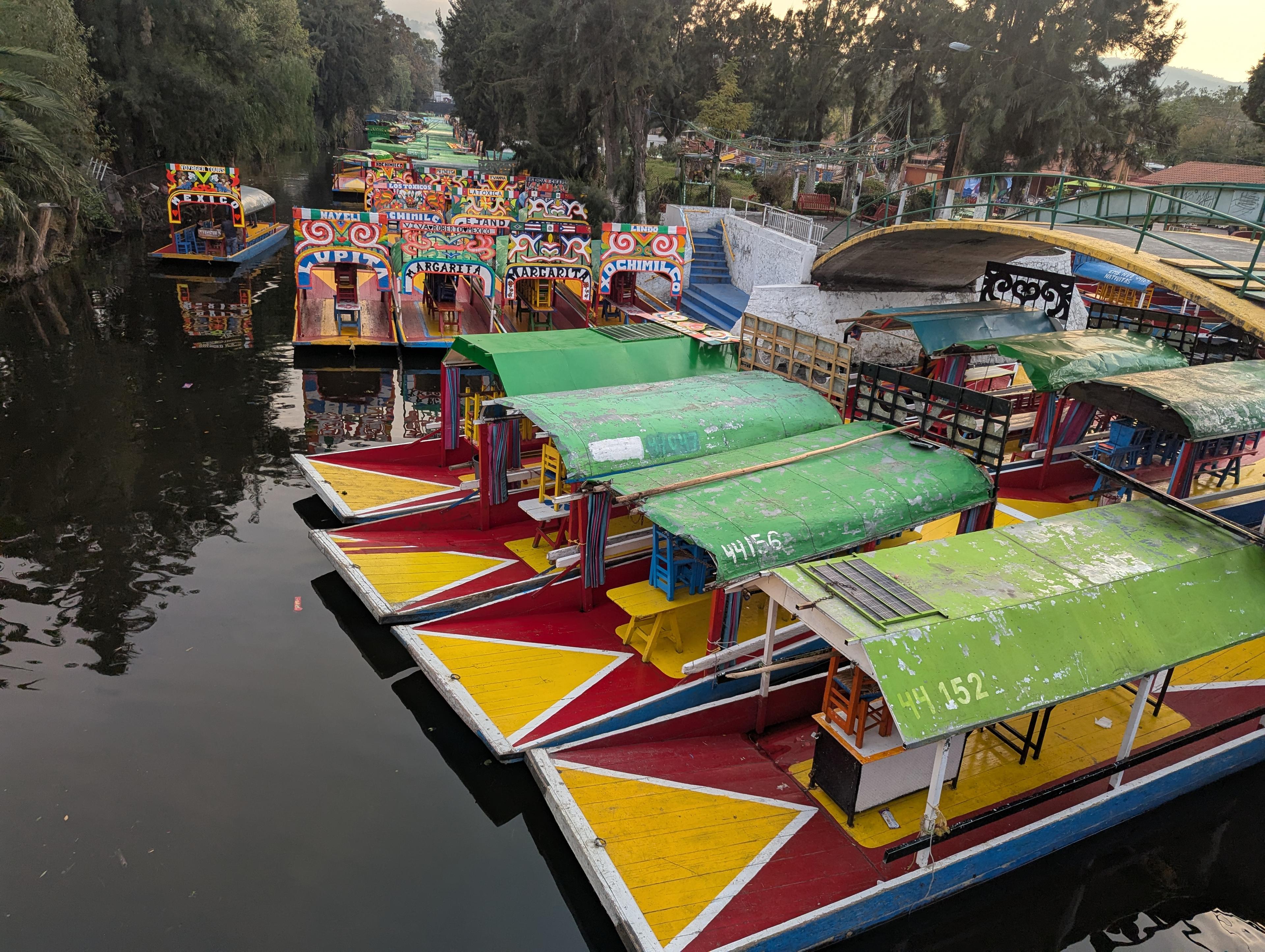
The first time someone describes Xoximilco to you, it sounds almost made up: a full Mexican fiesta, complete with live mariachi, an open tequila bar and a multi course dinner, all served aboard a flat bottomed boat gliding down a canal strung with lights and papel picado just outside Cancún. There is no beach, no pool, no snorkel gear. Instead, there are three hours of live music, food and dancing on the water, built as a direct tribute to Xochimilco, the canal district south of Mexico City that inspired the whole concept. If you are trying to decide whether a night at Xoximilco is worth booking during your Riviera Maya trip, this guide lays out what actually happens there, with real timing, the real menu, the real music lineup and a few details that rarely make it onto the official page.
What Xoximilco actually is, and the Xochimilco story behind it
Xoximilco is a nighttime park run by Xcaret Group, the same company behind Xcaret, Xel Há, Xplor and Xenses, but it works differently from all of them because it does not depend on nature or daylight. Its starting point is a declared homage to Xochimilco, the borough south of Mexico City famous for its canals, its brightly painted trajinera boats and its chinampas, the artificial farming plots built directly on the water since pre Hispanic times. The Mexica began raising those floating islands around the eleventh century, reclaiming fertile land from the lake to grow corn, flowers and vegetables in the middle of the Basin of Mexico. That system of chinampas and canals is still alive today: in 1987, UNESCO named the historic center of Mexico City a World Heritage Site together with Xochimilco, recognizing it as one of the last functioning chinampa landscapes left on the planet.
Trajineras were built specifically to move between those farming plots: flat bottomed boats with no keel, pushed along by an oarsman using a long pole from the stern, ideal for shallow water and narrow canals. Over time, especially from the 1930s onward, that working transport also became a favorite family outing, and trajineras began to be painted in bright colors and decorated with flower arches and hand painted women’s names on the bow. Xoximilco borrows that same boat format (flat, wide, pole propelled, painted and decorated) and transplants it to Quintana Roo, onto a canal built specifically for the experience, along the federal highway connecting Cancún and Puerto Morelos. It is not a literal copy of Xochimilco and does not try to be one: it is a themed recreation, designed as a three hour show for visitors, not a real neighborhood with working canals, a market and daily life.
What a night at Xoximilco is actually like, moment by moment
Check in opens at 7:00 p.m. and the last entry is at 8:30, with the whole activity wrapping up around 11:00 p.m., so the program runs roughly three hours total. As groups arrive, there is a welcome area with flavored waters and light icebreaker games, which comes in handy if you are traveling as a couple or in a small group and do not yet know anyone else on your trajinera. Each boat holds about twenty people (the technical weight limit is around 3,000 kilograms) and is assigned its own host, whose job is to walk you through each course, run the games and set the pace for the night.
Once you are on board, the trajinera starts moving along the canal in a kind of loop, and that is where the logistics get interesting: instead of every group traveling to a fixed stage, the bands, servers and musical numbers are the ones that appear along the canal or briefly climb aboard as the boats move past. Dinner is served course by course while the boat is in motion, so you end up eating, listening to mariachi and watching the canal lights all at roughly the same time. At some point during the night, without warning, the canal lights cut out and a choreographed lucha libre style number breaks out between the trajineras, complete with masks, colored lights and an energy that stands in sharp contrast to the rest of the evening’s slower pace. The program closes around 11:00 p.m. with the final course and closing music, at which point groups disembark.
One detail that rarely gets explained ahead of time is that the pace of the night is set by the park as a whole, not by each table. There is no option to ask for your dinner to start earlier or to chase down the mariachi band you liked best onto another trajinera; everything follows one overall choreography, designed so that dozens of boats can move through the same canal without bottlenecks or dead time. For a lot of visitors, that lack of control is actually the appeal, since there is nothing to plan and no decisions to make beyond showing up and letting the night carry you along. Anyone hoping for flexible timing or a more private dinner will probably enjoy a different kind of experience more. Life jackets are available on board, and staff walk through the basic safety instructions before departure, though it is worth noting the canal itself is artificial, shallow along its whole length, and the trajineras move at a minimal speed throughout the ride, which in practice keeps the risk fairly low even with young kids aboard. It also happens to be a good moment for photos: the boats and the canal are lit in a deliberately photogenic way, so you do not need a special lens or extra light to come home with decent shots of the night.
The food and the open bar: what actually gets served
Dinner runs as a multi course tasting menu meant to travel across different regions of Mexico at a single table. The starters typically include Vallarta style ceviche, huitlacoche (the corn fungus often called Mexican truffle), guacamole, Oaxacan quesillo cheese, charales, chapulines (grasshoppers), totopos, pico de gallo, chicharrón and a black bean dip. The main course lineup includes chicken in mole, tikin xic fish (marinated in achiote, a Yucatán specialty), arrachera beef fajitas, tamarind shrimp, cochinita pibil, Mexican style rice and Valladolid style pork. For dessert, the table usually gets corn flan, cocada (coconut candy), dulce de leche, piñón jamoncillo (pine nut fudge), obleas wafers, Oaxacan chocolate and café de olla, spiced Mexican coffee.
The open bar is a national brand bar and includes tequila (the drink most people actually come for), rum, vodka, beer, soft drinks and aguas frescas, poured throughout the whole canal ride. It is not a craft cocktail bar with elaborate mixology; it is a generous, open pour setup built for groups that are going to toast several times over three hours, not for someone chasing precision cocktails. If you are traveling with kids, it is worth knowing the menu and bar are calculated for adults, and younger guests typically get their own simplified version of the main course.
The music and the folklore: mariachi, banda and the lucha libre surprise
Music is probably the element that varies most from one trajinera to the next during the night, because different groups rotate through the canal: mariachi, norteño, ranchero, jarana (the traditional son music of Yucatán) and marimba, plus a banda de pueblo that usually closes out with the most danceable numbers. Rather than one central stage, the idea is that the music finds you, sometimes from another trajinera passing nearby, sometimes from a platform along the canal bank. The host assigned to each boat acts as a kind of master of ceremonies: introducing each course, running quick games between passengers and hinting, without giving exact details, that something is coming later in the night.
That something is the wrestlers’ number: the canal lights suddenly go dark and, amid shouting and more intense music, a choreographed routine inspired by Mexican lucha libre breaks out, with masks and deliberately exaggerated moves, built as spectacle rather than an actual sporting demonstration. It is worth being honest about this: it is not an ancestral ceremony or a centuries old tradition the way mariachi or jarana are, it is a contemporary, well produced set piece that Xcaret built into the night because lucha libre is as much a part of Mexican pop culture as tequila or mariachi are. It works precisely because it does not take itself too seriously.
Xoximilco Cancún versus Xochimilco in Mexico City: how similar is it really
This is worth clarifying because it causes confusion: Xoximilco in Quintana Roo and Xochimilco in Mexico City are not the same place and do not offer the same experience, even though the former borrows its name and look from the latter. At the real Xochimilco, anyone can walk up to a boat dock (Nativitas is one of the best known) and hire a trajinera by the hour, no reservation, no fixed schedule, no set menu: food vendors, mariachi bands and even photographers paddle up alongside the boats and everyone negotiates their own route. The chinampas there are still working farm plots, and part of the produce sold in Mexico City restaurants comes straight from them.
That original Xochimilco also faces serious problems that Xoximilco, as a controlled recreation, simply does not have: the ground in the area is sinking by roughly 18 centimeters a year due to groundwater over extraction, the protected zone loses around six hectares annually to illegal settlement, and canal pollution has more than once put its World Heritage status at risk. Xoximilco, by contrast, is a tourism product built from scratch, with an artificial canal, hired staff, a fixed menu and a closed schedule: the fairest comparison is not "which one is more authentic," but understanding that one is a real neighborhood carrying centuries of history and environmental pressure, while the other is a three hour staged production that celebrates that history without literally replicating it.
Who Xoximilco is really for, and when to go
Given the shared boat, shared table and loud, festive atmosphere, Xoximilco works especially well for couples looking for something other than another beach day, families with kids (ages 5 to 11 pay 25 percent less than an adult, and children under 5 get in free, though age verification is required for anyone taller than about 4.5 feet and under 12), groups of friends, bachelorette or bachelor parties, birthdays, and even solo travelers who do not mind socializing with strangers on the same boat. It is not the plan if you are after something quiet or romantic in the private table sense: here you share the boat, the server and the host with the rest of your assigned group.
The park operates Monday through Saturday and is closed on Sundays, so it is worth checking the calendar before locking in your week. During high season (winter holidays, Easter week, spring break) it pays to book several days ahead, since the number of trajineras running per night is limited. Booking early also saves money: there is a 10 percent discount for tickets bought 7 to 20 days ahead, and a 15 percent discount for tickets bought 21 or more days in advance.
How to prepare: location, getting there and practical tips
Xoximilco sits in Quintana Roo, on the federal highway connecting Cancún and Puerto Morelos, near kilometer 307, an easy drive from both the Cancún hotel zone and Playa del Carmen. Most visitors book round trip transportation from their hotel along with the ticket, which simplifies the logistics of a night that ends around 11:00 p.m., when relying on public transport is no longer as convenient. If you prefer to drive yourself, the park has its own parking lot.
As for what to bring: light clothing but something that covers your arms, or a light wrap, since the night can cool off near the water, plus mosquito repellent, since this is an outdoor experience right along the canals. Footwear matters more than you would think, since you are stepping on and off a trajinera, so closed, comfortable shoes work better than loose sandals. The activity runs in pretty much any weather short of extreme conditions, so it does not depend on a sunny day the way other Xcaret parks built around daytime water activities do. Finally, bring some cash or a separate card if you want staff photos or a souvenir, since those extras are not included in the ticket price.
On booking: tickets can be bought directly through the official Xoximilco or Xcaret Group website, through local travel agencies around the Riviera Maya, or bundled into a package with another park in the group, which usually works out cheaper than buying each experience separately if you were already planning to visit both. It is worth comparing prices, since some resellers charge a noticeable markup over the official rate, especially for same day bookings from a street side kiosk. On tipping: even though dinner and the open bar are already included in the ticket, it is customary to tip separately for your trajinera’s host and the serving staff, similar to how tipping works at restaurants in the region. There is no fixed expected amount, but it helps to carry cash in pesos or dollars for it, since paying a tip by card at the end of the night is not always convenient. Finally, if you are staying in Cancún or the northern Riviera Maya, budget somewhere between 30 and 45 minutes for the drive to the park, and a bit more if you are coming from Playa del Carmen or Tulum, time that is worth factoring in when deciding whether to eat beforehand or let Xoximilco’s dinner be your only meal of the night.
Xoximilco next to the Xcaret Group daytime parks
Compared with Xcaret, Xel Há or Xplor, the most obvious difference is timing: those parks depend on daylight because they revolve around underground rivers, reefs, zip lines and wildlife, activities that lose their point after sunset. Xoximilco is the exact opposite: it exists because it is night, and its central appeal (the canal lights, the contrast of the lucha libre blackout, dinner served under a dark sky) depends on the sun already being down. You also do not need a swimsuit or biodegradable sunscreen, since nobody gets in the water.
That difference also changes the rhythm of a full day if you combine two parks, which is common among travelers spending several days in the Riviera Maya: you can spend the afternoon at Xcaret swimming through an underground river and spotting wildlife, then close the night at Xoximilco without it feeling like the same activity twice, because one is contact with nature and the other is a long dinner show. For anyone building a Riviera Maya itinerary on a tight schedule, that complementary pairing, nature by day, fiesta by night, tends to be exactly the argument for booking both on the same trip.
In the end, Xoximilco is not trying to be Xochimilco, nor to compete with the daytime parks under the same group: it is its own category, a dinner show on the water that borrows the boat, the name and part of the spirit of a real Mexico City neighborhood to build three hours of mariachi, tequila and well served Mexican food. If everything above has you convinced it is worth experiencing during your time in the Riviera Maya, you can book your spot at Xoximilco: Fiesta Mexicana Nocturna en Trajinera con Barra Libre and let the boat, the band and the open bar handle the rest.
Your next experience starts here
Start this adventureTours you might like
- Archaeology
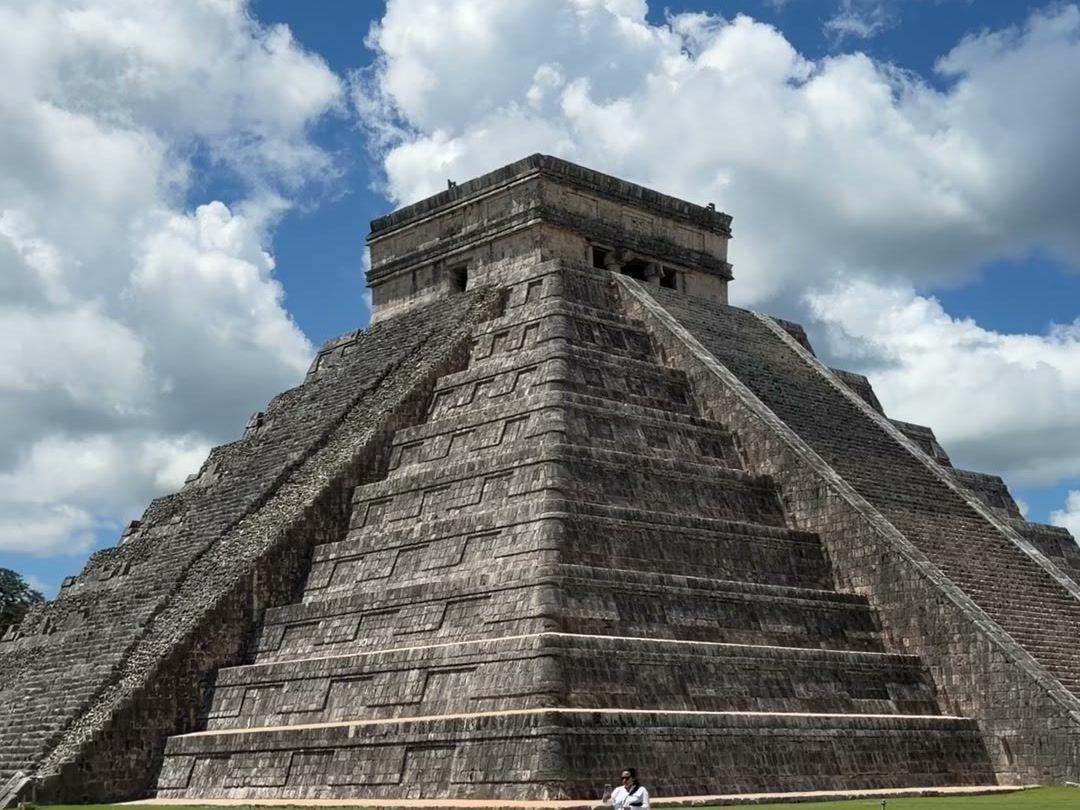
Chichén Itzá Plus: Suytún & Ik Kil Cenotes and Valladolid
- Ocean
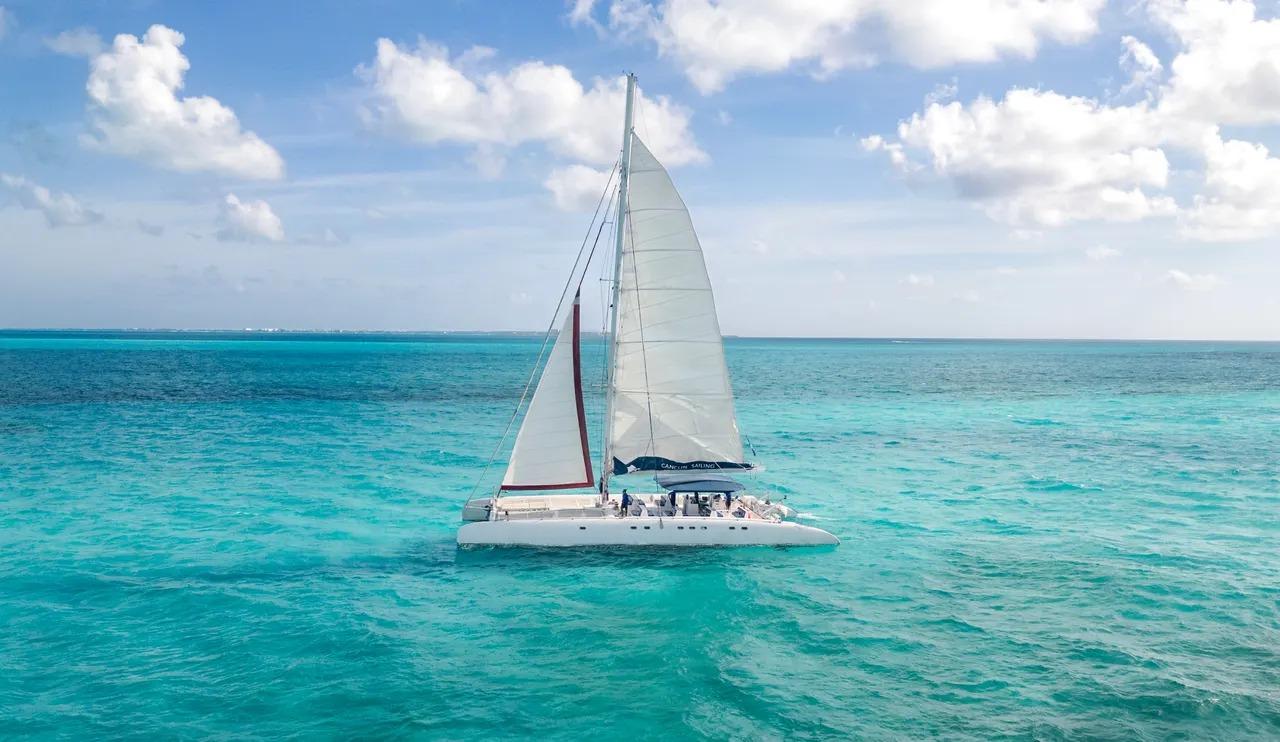
Isla Mujeres Plus: Catamaran with Open Bar, Snorkeling & Playa Norte
- Archaeology
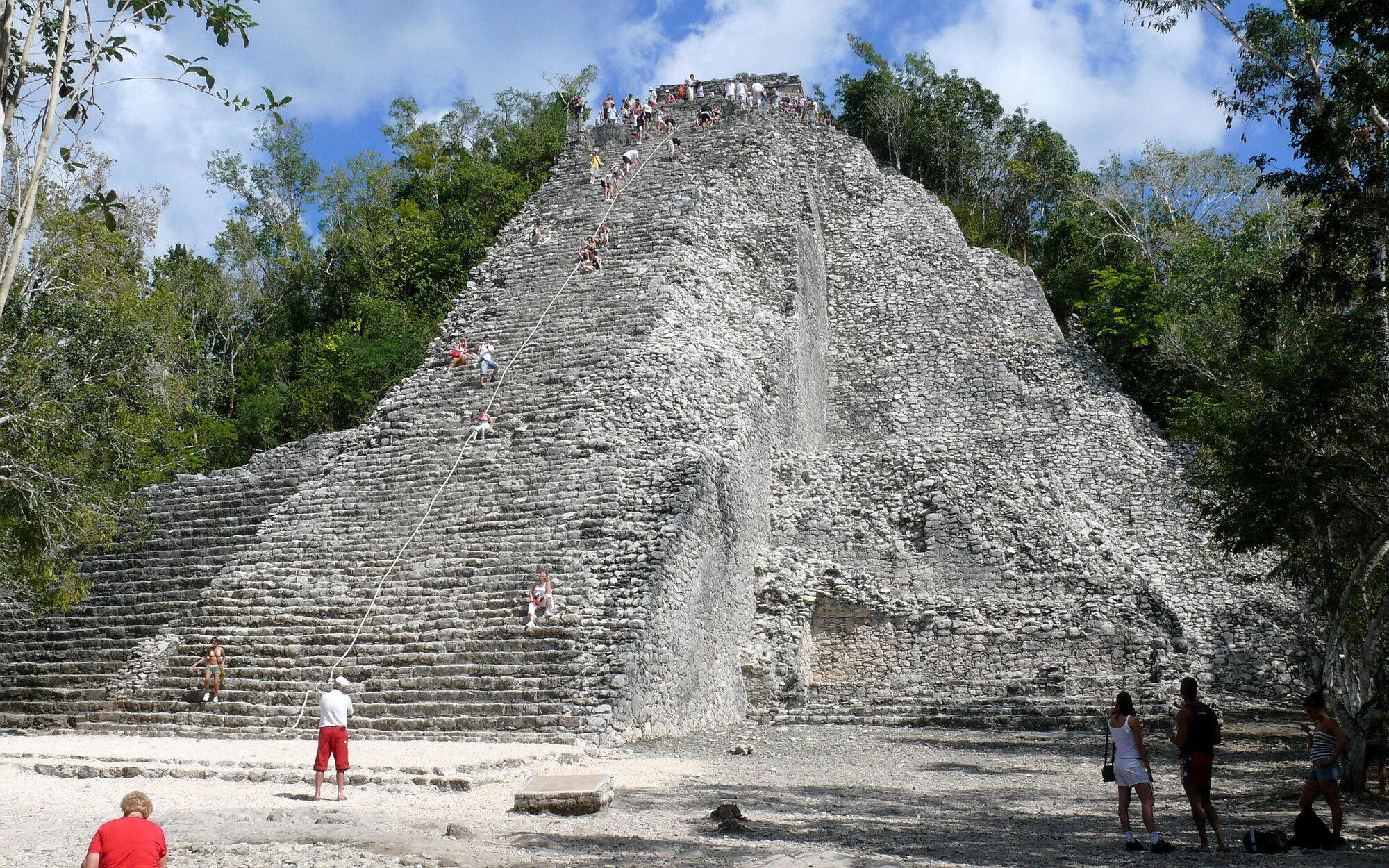
Tulum and Cobá 4-in-1: Ruins, Cenote and 5th Avenue
- Archaeology
Chichén Itzá Classic: Saamal Cenote and Valladolid
- Adventure
Tulum, Akumal Turtles & ATVs at Casa Jaguar
- Private yachts
Private Yacht Charters in Cancún


Keep reading
 culture
JOYÀ by Cirque du Soleil: the complete guide to the show in Riviera Maya
JOYÀ by Cirque du Soleil is the company’s only resident show in Latin America and the first one built around a full dinner. Here is everything worth knowing before booking a night out in Riviera Maya.
 culture
The chi'ik: the animal that named a company
The coatí is not just a curious animal that roams the Riviera Maya jungle. In Maya culture, it carries a deeper meaning. Here is why we chose its name.
 stories
Why the coatí doesn't ask permission to explore
The coatí is the spirit of Chi'ik Adventures. Not as a mascot, but as a way of moving through the world.
Plan your trip
 4 days
A Group Trip to the Riviera Maya: A 4-Day Celebration Itinerary
A 4-day Riviera Maya itinerary for a birthday, bachelorette or reunion with friends: a beach club and group dinner, a private boat to Isla Mujeres, a photogenic cenote and spa afternoon, and Xoximilco as the celebration dinner.
 5 days
5 Days in the Riviera Maya: The Complete Itinerary
A realistic 5 days Riviera Maya itinerary that starts easy, builds toward Chichén Itzá as the trip’s centerpiece and closes on a festive night, with real timing and logistics for every day.
 4 days
Honeymoon in the Riviera Maya: A 4-Day Romantic Itinerary
A honeymoon itinerary for the Riviera Maya built for two people, not a checklist: four days of private tours, a sunset sail, the lagoon at Bacalar, Sian Ka'an, and a closing night with JOYÀ.